Surface Systems

Granilla

Precision-sized glass particles that create transparency, traction, matte depth, and decorative relief on ceramic tiles

From glossy sugar effects to matte architectural finishes and digitally placed dry granilla patterns, INCA granilla systems are engineered to control touch, reflection, and long-term wear.

Engineered glass grits for ceramic surface design

Granilla consists of calibrated glass particles used for ceramic surface development. By controlling particle size, hardness, transparency, and finish, manufacturers can move from completely smooth glossy surfaces to low-reflection matte structures, anti-slip finishes, and sharply defined decorative build-up.

At INCA, granilla are used as a surface system rather than a single product family. Fine and ultra-fine grits can melt into transparent, smooth-touch layers, while larger particles can be fixed precisely through digital glue application to create raised decorative patterns with clear three-dimensional presence.

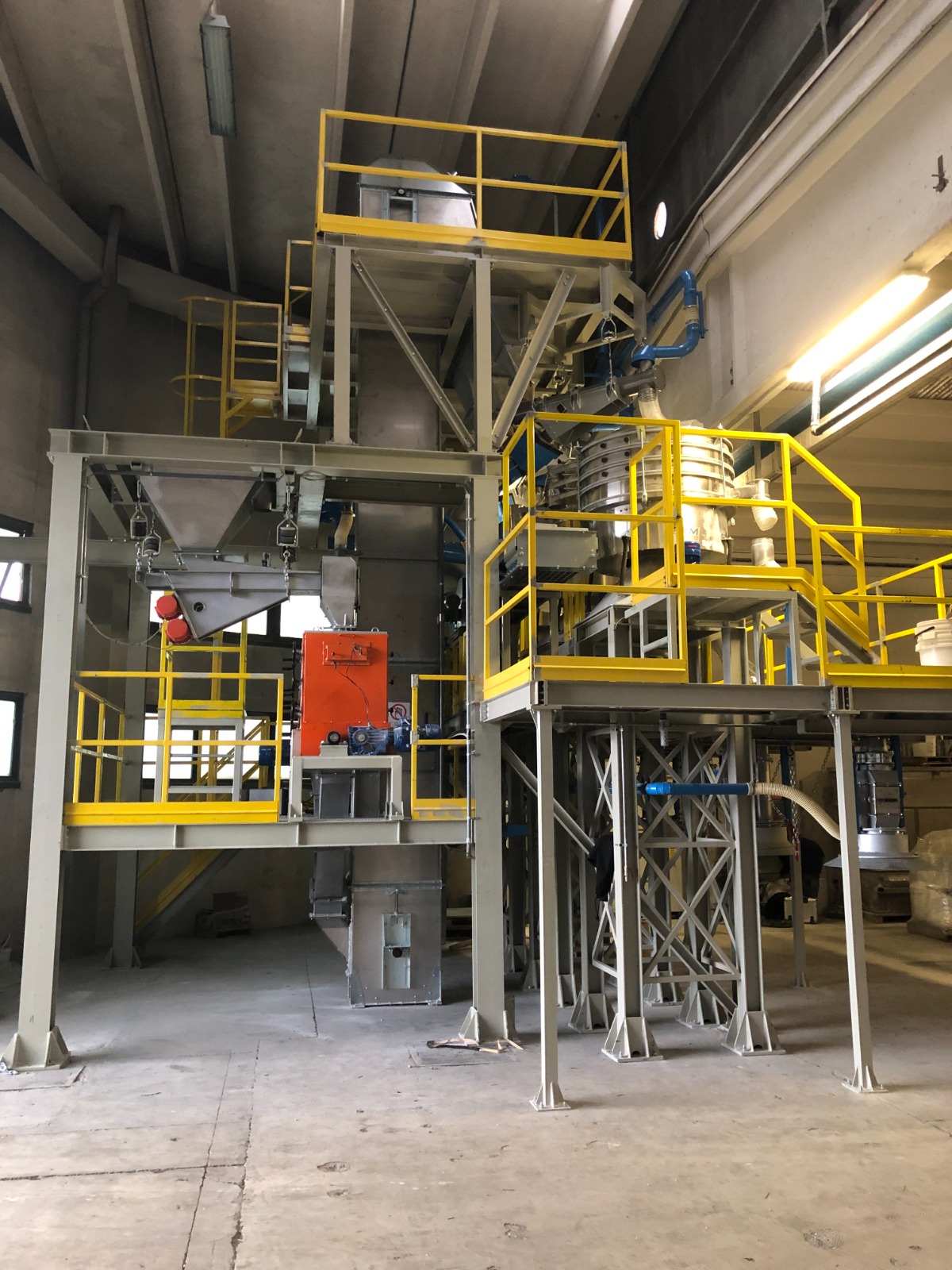
Granilla processing and screening machinery at the INCA facility
Fine to large granulometry Used to control clarity, surface feel, friction, and decorative build.
Matte and glossy families Supports low-reflection architectural surfaces as well as bright transparent effects.
Wet, dry, and digital application routes Compatible with slurry-based systems, TR glazes, and digitally placed glue patterns.

Five surface outcomes powered by granilla

Each system uses a different particle strategy to control gloss, friction, transparency, and visual build.

01

Sugar

Glossy transparent structure

Sugar uses glossy grits, both hard and soft, that melt into a brilliant transparent 3D structure. The result is smooth to the touch, bright in reflection, and can be left as fired or further taken to lapato polishing for an even more refined surface.

Surface ReadBright and lively
TouchSmooth
02

GHR

Matte, low-reflection durability

GHR is built for matte surfaces with low light reflection and a natural architectural read. With controlled particle distribution, it offers high abrasion resistance, strong transparency, and solid digital graphic development without pushing the surface into gloss.

Surface ReadMatte and anti-glare
PerformanceHigh abrasion resistance
03

R10 / R11

Fine microgrit anti-slip grades

These anti-slip grades use fine microgrits, either with matt TR glaze or on their own, to create low-gloss, low-reflection transparent surfaces. They remain smooth to touch while maintaining a high coefficient of friction and strong abrasion resistance.

Key BenefitHigh coeff. of friction
Visual ReadLow gloss transparency
04

POSH

Ultra-fine smooth matte transparency

POSH uses ultra-fine granilla to produce a smooth matte, low-gloss, highly transparent surface with very little surface feel. It supports clean colour development, superior flatness, and also works as a refined base for decorative surfaces that later receive dry granilla application.

Surface FeelAlmost none
RoleDecorative base layer
05

Dry Granilla

Digitally placed raised decorative pattern

Dry granilla uses large-sized grits, available in matte and glossy versions, with no fines in the mix. A digital machine lays down glue, the granilla is applied through a dry applicator, and the extra material is recovered by suction. This creates precise, high-definition three-dimensional decoration with clear pattern edges and real surface build.

Application RouteDigital glue + dry applicator
Surface ResultPrecise decorative 3D pattern
How granilla is introduced onto the tile

The route of application determines whether the result reads as integrated transparency, matte traction, or a sharply built decorative layer.

Wet application

Fine granilla can be introduced through wet systems to create integrated transparent or matte surfaces where the grit melts into the glaze layer while preserving clarity and surface smoothness.

TR glaze pairing

Microgrit systems such as R10 / R11 can be paired with matt TR glaze or used alone to balance anti-slip performance with smooth touch, transparency, and low light reflection.

Digital dry application

For dry granilla, glue is placed digitally, large grits are applied only where needed, and unused material is recovered. This route gives precise decorative geometry without flooding the full tile face.

01 Select granulometry

Fine, ultra-fine, or large particles depending on gloss, friction, or relief target.

02 Choose route

Wet blend, TR glaze pairing, or digitally placed glue with dry application.

03 Fire and anchor

The grit melts, bonds, or remains structurally raised depending on the system design.

04 Deliver the surface

From smooth low-gloss transparency to bright gloss or decorative 3D build.

What manufacturers gain from calibrated granilla

The performance value sits in how precisely the particle family is matched to the desired surface outcome.

Calibrated granulometry

Tight particle sizing keeps surface development predictable from batch to batch.

Optical transparency

Selected systems can remain highly transparent even while shaping gloss, depth, or anti-slip performance.

Low-gloss control

Microgrit and ultra-fine families help create matte, anti-glare surfaces without turning heavy or chalky.

Abrasion resistance

Grit systems improve wear behaviour for demanding floor applications and long-service architectural spaces.

Friction management

R10 / R11 systems help raise coefficient of friction while maintaining a surface that still feels refined.

Digital decoration compatibility

Granilla can work with digital graphics, digital glue placement, and layered decorative build strategies.

Smooth-touch engineering

Fine systems can deliver almost no surface feel even when the visual read remains matte or structured.

Decorative three-dimensionality

Large dry-applied grits generate crisp build-up only where the design demands it, not across the full tile.

Need a granilla system for a specific surface target?

We can help you match granulometry, gloss level, and application route to the tile effect you want to build.